What Is an App Development Partner?
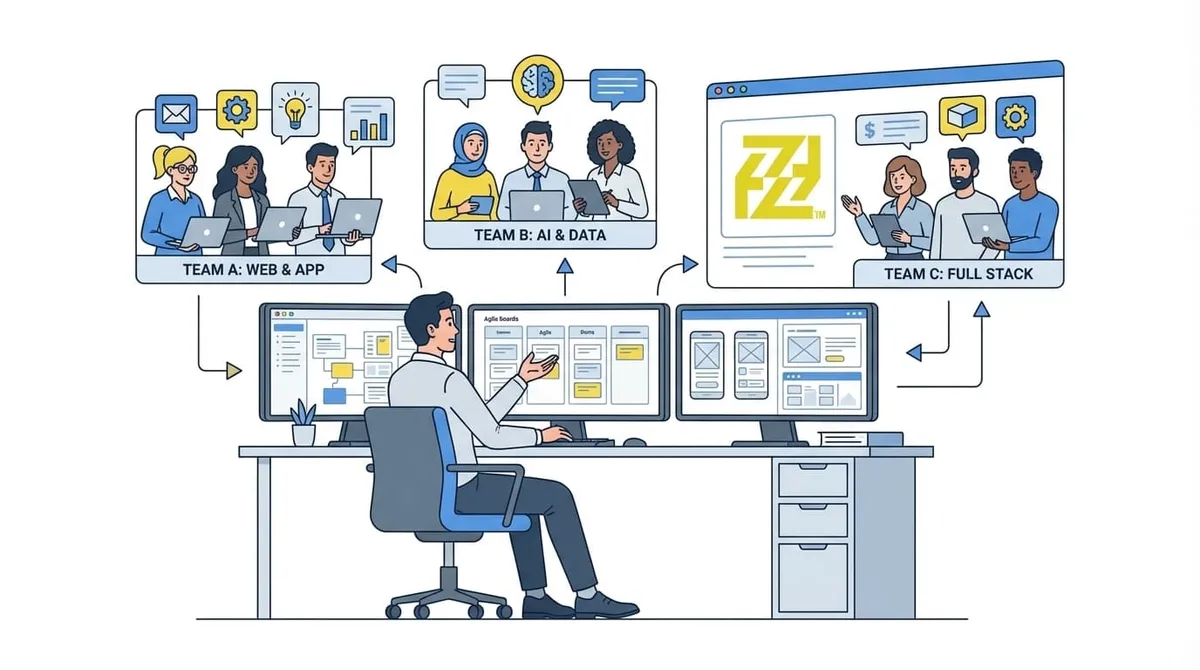
An app development partner is a software development company that helps businesses design, build, launch, and maintain mobile or web applications while providing technical expertise, scalability planning, and ongoing support. Unlike short-term development vendors, a true development partner contributes to product strategy, technical architecture, and long-term product growth.
Choosing the right partner is one of the most important decisions a business leader can make when building a digital product.
Most businesses do not fail because they had a bad idea. They fail because they chose the wrong development partner.
I have seen this pattern repeat itself more times than I can count. A CEO comes to us after spending six months and a significant portion of their budget with a team that seemed credible on paper. The deliverable? A half-built product, missed deadlines, and a codebase so fragile that rebuilding from scratch is cheaper than fixing it.
The painful truth is that choosing a mobile or web app development company is one of the highest-risk decisions a business leader can make, and most businesses approach it the same way they would choose an office supplier: a quick Google search, a few portfolio screenshots, a price comparison, and a handshake.
That approach is why so many digital transformation projects fail before they ever reach a user.
This guide is written specifically for CEOs, CTOs, and business decision-makers who are about to make this decision. It will show you what to evaluate, what red flags to walk away from, and what a genuinely trustworthy development partner looks like in 2026.
Why Is Choosing the Wrong Development Partner So Expensive?
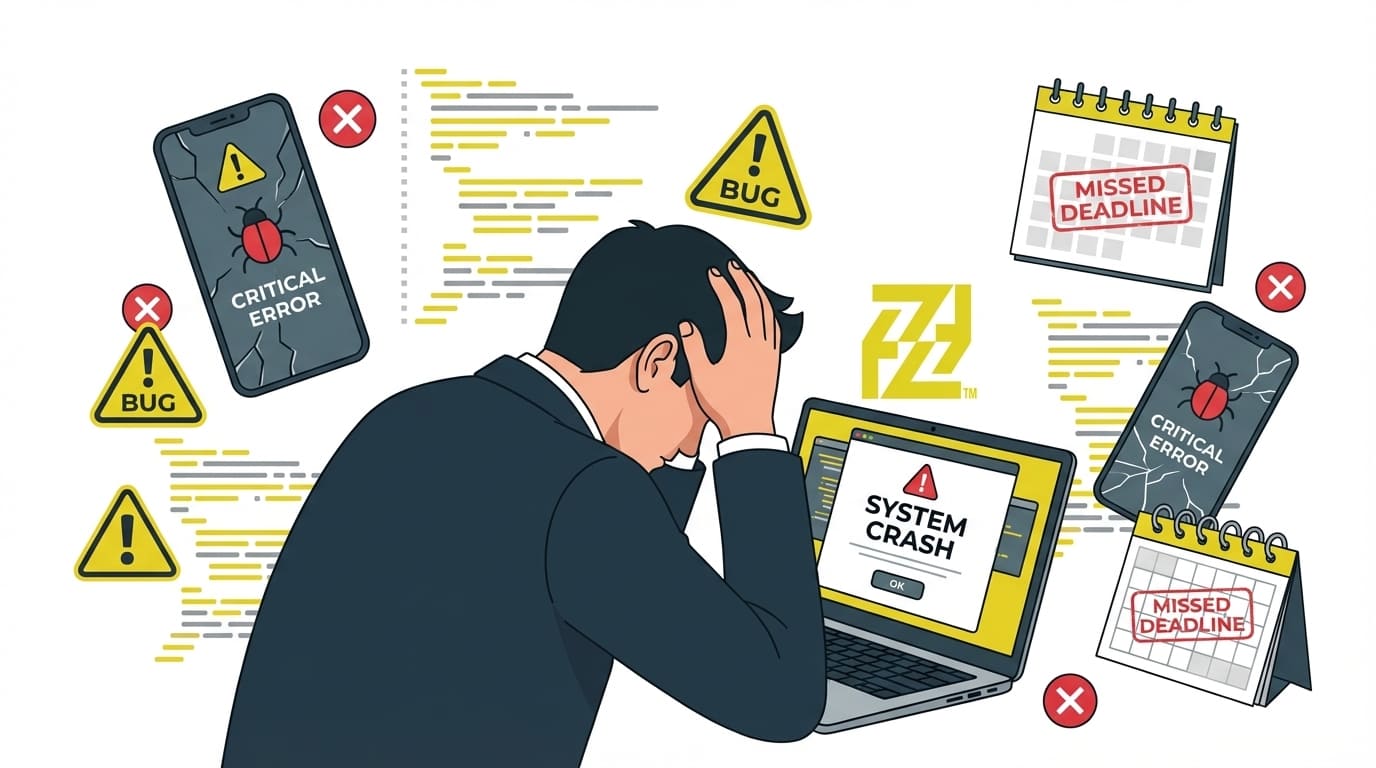
Before getting into the selection framework, it is worth understanding the real cost of a poor development decision, because it goes far beyond the initial invoice.
When a development partnership fails, the direct costs are obvious: the money already spent, the cost of rebuilding, and the time lost. But the indirect costs are often much larger.
A delayed launch means a competitor captures the market window you identified. A poorly built product damages your brand with the first wave of users you spent money to acquire. An insecure codebase exposes your customers’ data and creates legal liability.
According to industry research from organizations like CB Insights and Gartner, a large percentage of digital products fail within their first year due to poor product strategy, weak technical execution, or poor user experience.
The right development partner does not just write code. They protect your investment, challenge your assumptions, and bring the kind of experience that prevents expensive mistakes before they happen.
Development Vendor vs Development Partner
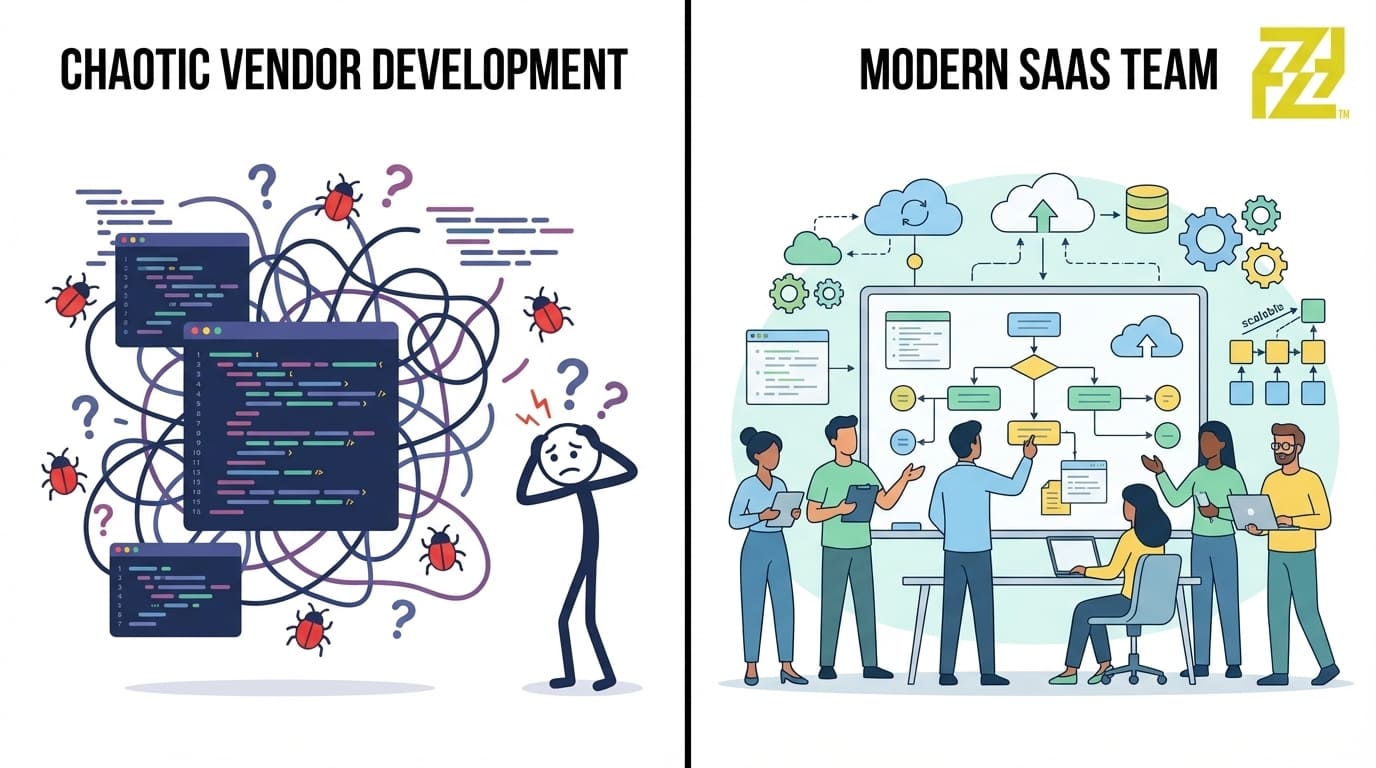
Development Vendor
- Executes client instructions
- Focuses mainly on feature delivery
- Limited involvement in strategy
- Often minimal post-launch support
- May not design for long-term scalability
Development Partner
- Challenges assumptions and improves product ideas
- Focuses on business outcomes instead of features
- Provides strategic technical guidance
- Supports product growth after launch
- Builds scalable and maintainable system
Businesses that treat development as a commodity purchase usually hire vendors. Businesses that want a scalable product hire partners.
Step 1: What Problem Are You Actually Solving?
Before speaking with any development company, you must clearly define what you are building.
Many businesses approach development firms too early and request estimates without defining the core problem they want to solve. This leads to inaccurate proposals, confusing timelines, and poorly scoped projects.
Before contacting any development partner, clarify the following:
What specific problem does the product solve?
Do not describe features. Describe the problem and the user experiencing it.
The sharper this answer is, the more effectively your development partner can design a solution.
What does success look like after 12 months?
Define success in business terms.
Examples include:
- number of users acquired
- revenue generated
- operational costs reduced
- processes automated
Development teams who understand your business outcomes build products very differently from those who are simply executing a feature list.
What platform do you actually need?
Mobile app, web application, or both?
If mobile is required, determine whether the app must run on:
- iOS
- Android
- or both platforms through cross-platform frameworks.
This decision significantly impacts development cost and timeline.
What is your realistic budget and timeline?
Not the budget you wish you had, the budget you actually have.
Transparency here helps development companies provide accurate proposals and eliminates firms that are not aligned with your expectations.
Businesses that approach development partners with clarity consistently receive better proposals and stronger results.
Step 2: How Should You Evaluate a Development Portfolio?
Most businesses review portfolios the wrong way. They look for visually attractive screenshots rather than evaluating product outcomes.
A visually impressive interface does not guarantee a stable or scalable application.
When reviewing a portfolio, ask the following questions:
What problem was the product solving?
A strong development partner should clearly explain the client's original challenge and how their technical decisions addressed it.
If they only describe features, that indicates a feature-focused mindset rather than a solution-focused one.
What happened after launch?
Apps that succeed months after launch are built very differently from apps designed purely for demonstration purposes.
Ask about:
- user adoption
- retention metrics
- product evolution after launch
Have they worked in your industry?
Industry familiarity matters.
Teams with prior experience in your domain already understand compliance requirements, user expectations, and industry-specific constraints.
This reduces costly trial-and-error decisions.
Can you speak with a past client?
Confident development firms are usually comfortable facilitating conversations with previous clients.
Reluctance to provide references is often a warning sign.
Step 3: How Should a Development Process Work?
The difference between a development vendor and a development partner is largely defined by their process.
A vendor simply builds what you request.
A partner challenges your assumptions, asks strategic questions, and helps improve the product beyond your initial concept.
When evaluating a company’s process, ask the following:
How do you handle requirement changes?
Scope changes are inevitable.
A structured change management process ensures that evolving requirements do not silently inflate costs or disrupt project timelines.
How is progress communicated?
Clear communication structures are essential.
You should understand:
- meeting cadence
- reporting structure
- documentation process
- primary point of contact
How is quality assurance handled?
Testing should occur throughout development, not only at the end.
Effective QA processes include:
- functional testing
- device testing
- edge case testing
- performance testing
What happens after launch?
Launching an application is only the beginning.
Without post-launch maintenance, even well-built applications quickly become outdated, insecure, or incompatible with evolving platforms.
Always confirm that your partner provides:
- ongoing support
- maintenance updates
- scalability improvements
Step 4: Can the Team Handle Both Mobile and Web Development?
Many modern digital products require both a mobile application and a web platform.
Your development partner should possess genuine full-stack capability rather than limited expertise in only one area.
Ask technical questions even if you are not a developer.
Strong teams will explain their technical decisions clearly without relying on excessive jargon.
Key areas to evaluate include:
Cross-platform development frameworks
In 2026, frameworks like Flutter and React Native provide near-native performance for most business applications.
Teams recommending fully separate native apps without clear justification may be optimizing billing rather than efficiency.
Scalability architecture
Your application must be built for the scale you intend to reach, not just the scale you currently have.
Ask for examples of products they have scaled successfully.
Security architecture
Security must be integrated from the beginning.
Critical considerations include:
- data encryption
- authentication frameworks
- compliance requirements
- secure backend architecture
Code ownership
Always confirm that you retain ownership of your source code.
Vendor lock-in can prevent businesses from evolving their product without continuing to work with the same provider.
Step 5: What Is a Realistic Cost for App Development?
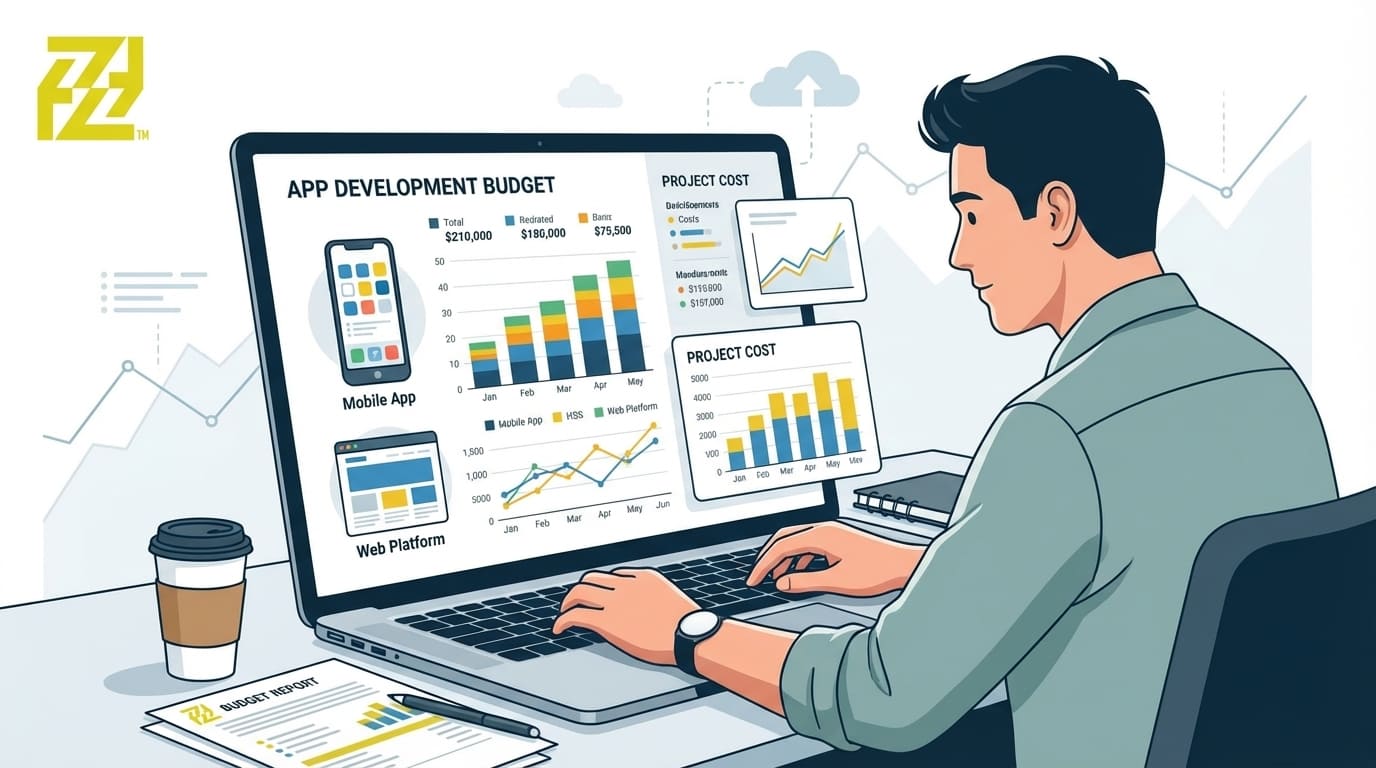
Price alone should never determine your development partner.
Value is the correct metric.
Choosing the cheapest provider often results in hidden costs, missed deadlines, unstable code, and long-term maintenance issues.
Instead, ask a more important question:
What is the cost of choosing the wrong partner?
A partner that costs 30% more but delivers a scalable product on time is dramatically cheaper than a partner that delivers an incomplete solution.
Transparent pricing is also a strong signal of credibility.
Trustworthy firms typically provide estimates that include:
- cost breakdown by phase
- assumptions behind estimates
- variables that may affect pricing
Companies that avoid detailed pricing explanations during the proposal phase rarely become more transparent later.
Warning Signs That Should End the Conversation
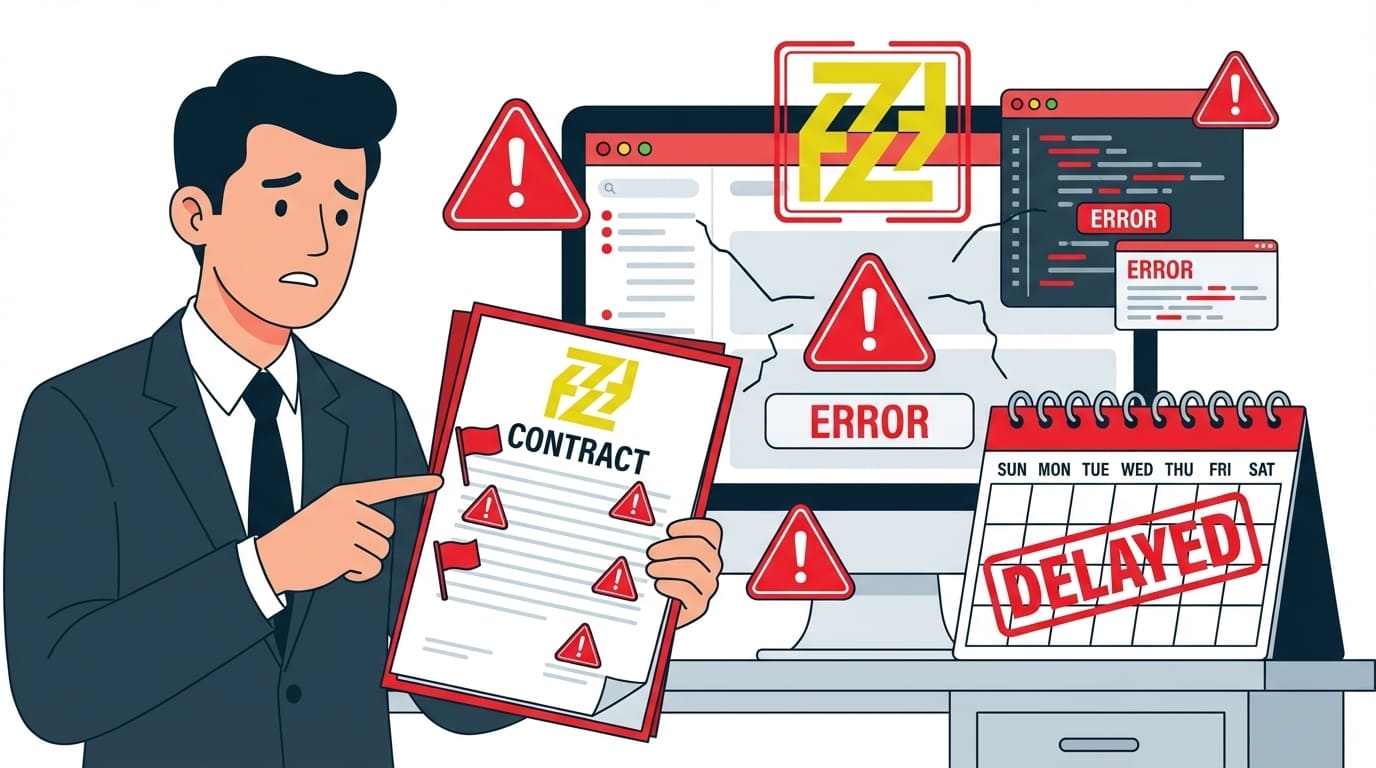
Regardless of how impressive a company’s website appears, walk away if you encounter the following red flags:
- unrealistic development timelines
- constant agreement without critical feedback
- reluctance to sign contracts or NDAs
- lack of post-launch support
- poor communication during early discussions
Early communication problems almost always worsen after a contract is signed.
Signs of a Strong Development Partner
Strong development partnerships typically share several characteristics:
- proven technical experience
- full-stack development capabilities
- scalable architecture design
- transparent communication
- realistic timelines
- long-term product support
The right development partner does more than build software.
They help businesses avoid expensive mistakes.
Frequently Asked Questions
How long does it take to build a mobile and web app in 2026?
A: A well-scoped MVP with both mobile and web components typically takes four to six months with an experienced team. More complex products requiring custom backend infrastructure, third-party integrations, or advanced security requirements generally take eight to twelve months. Timelines quoted significantly below these ranges without a compelling explanation deserve scrutiny.
What should I look for in a development partner’s contract?
A: Code ownership, intellectual property rights, NDA provisions, milestone-based payment structure, change request processes, post-launch support terms, and clear definition of deliverables. Any contract that is vague on these points should be renegotiated before signing.
Is it better to hire a local or offshore development team?
A: The most important factor is finding the right expertise distance should not be a deciding factor. What matters is communication quality, cultural alignment, domain experience, and proven delivery.
How do I know if a development firm can handle both mobile and web?
A: Ask to speak directly with the developers who will work on your project, not just the sales team. Ask them to walk you through a recent product that required both mobile and web components. Evaluate whether their explanation is confident and specific or vague and generic.
What is a reasonable budget for a business mobile and web app in 2026?
A: A professionally built product with both mobile and web components, built by an experienced team, typically requires a starting investment of $40,000 to $80,000 for an MVP. Full-featured enterprise platforms with advanced integrations, AI capabilities, and high-security requirements range from $100,000 to $300,000 or more. Quotes dramatically below these ranges are worth examining carefully.
Final Thoughts
The development partner you choose will shape the next several years of your product’s success.
It affects your launch timeline, user experience, scalability, and long-term technical stability.
Businesses that succeed do not simply choose the cheapest provider.
They evaluate expertise, process, communication quality, and long-term alignment.
Your application is not a commodity purchase.
It is a business asset.
Choose accordingly.
Contact us for a free consultation and let us show you what a development partnership that actually protects your investment looks like.
Author Bio:
Hassan Munir is a mobile and web app developer with 4 years of experience delivering digital products across industries. He leads development at Fantech Labs, a SaaS and app development company helping businesses build scalable digital products.