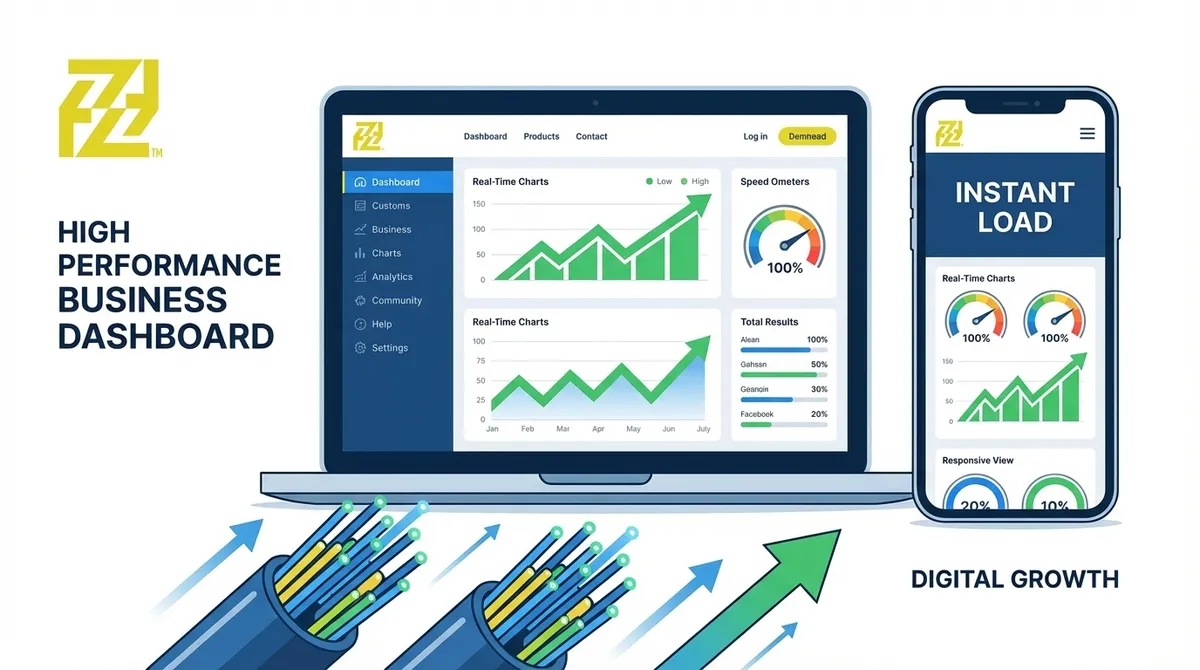
Why Is Website Speed Critical for B2B Companies in Calgary?
Website speed is one of the most important factors influencing B2B lead generation, search visibility, and buyer trust. For companies operating in Calgary and across Alberta, a website that takes more than two seconds to load can lose a significant percentage of high-intent visitors before they even see the content. Fast, performance-optimized websites increase engagement, improve lead conversions, and strengthen brand credibility across the Canadian B2B market.
In today’s Canadian B2B landscape, slow website performance is no longer just a technical inconvenience. It has become a measurable financial risk. Every second of delay quietly erodes brand authority and allows faster competitors to capture market share.
At Fantech Labs, we approach web development as Growth Engineering. Every line of code must contribute to measurable business outcomes, transforming websites from passive marketing tools into high-performance digital assets.
Why Website Performance Matters
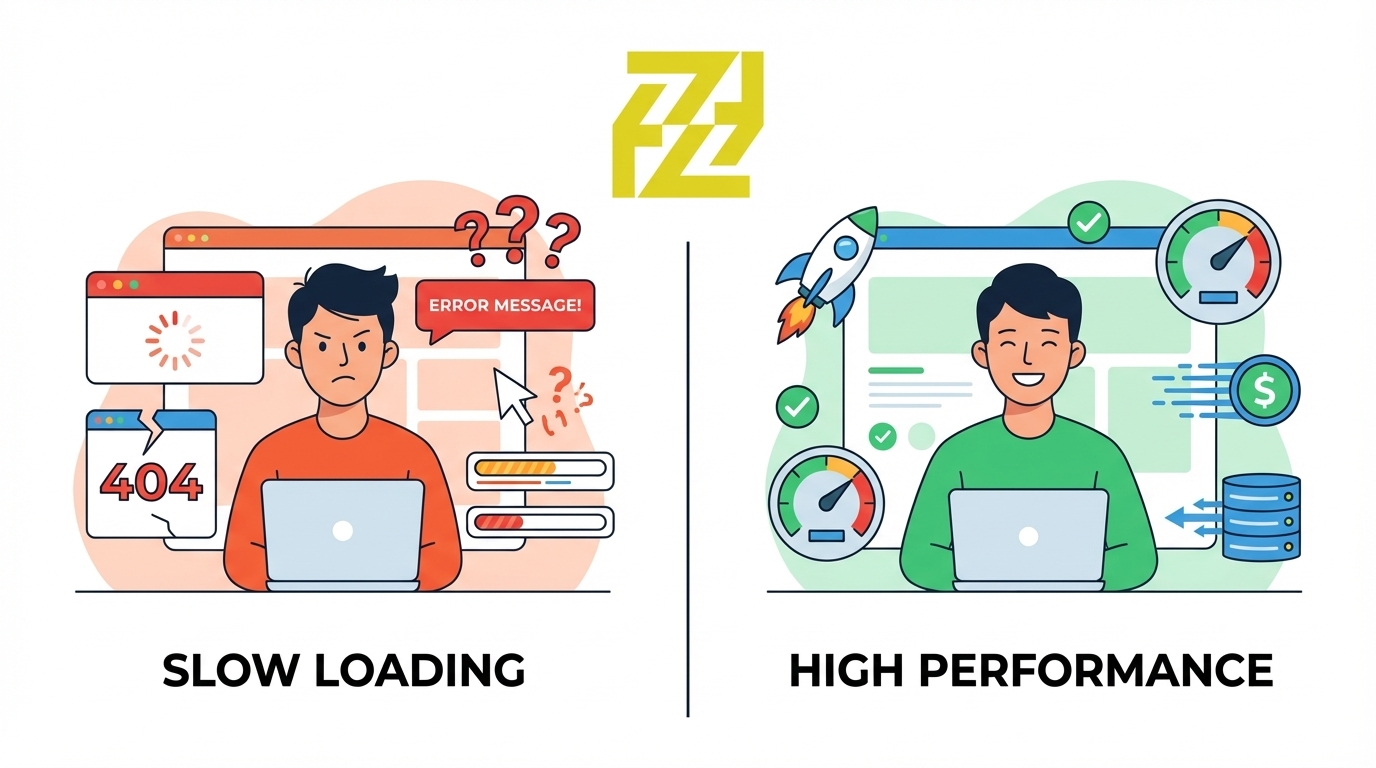
For B2B companies in Calgary and Alberta, improving website performance can deliver several strategic advantages:
- Higher lead generation without increasing traffic
- Lower bounce rates and stronger user engagement
- Better search engine rankings through Core Web Vitals optimization
- Improved credibility with enterprise decision-makers
- Higher mobile conversion rates across Canada
In many cases, companies see measurable revenue growth simply by improving technical performance.
Key Performance Statistics
Data from multiple industry studies highlights the financial impact of website speed.
- Websites that load in under two seconds retain significantly more visitors.
- A 100-millisecond speed improvement can increase revenue by roughly 1% for high-volume platforms.
- More than 55% of B2B research now begins on mobile devices.
- Businesses that upgrade from legacy web systems to optimized architectures often experience 20–30% increases in lead generation without additional traffic.
These statistics demonstrate that technical performance directly influences revenue outcomes.
Why Speed Is the Hidden Gem of Enterprise Web Development
Many web development providers focus primarily on visual design. While aesthetics are important, the real competitive advantage lies in technical performance.
Speed determines whether visitors stay long enough to engage with your content or abandon the site immediately.
When a website loads instantly, users perceive the company as reliable and professional. When it loads slowly, the opposite impression is formed.
In B2B environments where decision-makers are evaluating vendors, this first impression can significantly influence trust.
The Psychology of the B2B Buyer
Professionals in Alberta’s energy, technology, logistics, and industrial sectors are not browsing the internet casually. They are researching solutions to complex operational problems.
When a website loads quickly and responds instantly to interaction, it sends a subconscious signal of operational competence.
When it performs poorly, buyers may question the organization’s reliability.
In many cases, website speed becomes the first digital trust signal a company sends.
What Causes Most Enterprise Websites to Become Slow?

Many enterprise websites accumulate technical debt over time.
Technical debt refers to outdated or inefficient code structures that gradually reduce performance. It typically develops through years of incremental updates, plugins, and third-party integrations.
Common performance issues include:
- excessive third-party tracking scripts
- bloated content management plugins
- outdated CSS frameworks
- unoptimized image assets
- inefficient server infrastructure
These issues slow the Critical Rendering Path, which determines how quickly content appears on a user’s screen.
Modern development focuses on optimizing Core Web Vitals, Google's performance metrics that measure real user experience.
These metrics include:
- Largest Contentful Paint (LCP) – speed at which main content appears
- First Input Delay (FID) – responsiveness to user interaction
- Cumulative Layout Shift (CLS) – visual stability during loading
When these metrics are optimized, websites feel instantaneous.
Why Performance Matters Across Alberta
Alberta has a geographically distributed workforce. Professionals often access business websites from a wide range of environments, including:
- corporate offices in Calgary
- remote energy sites
- mobile networks
- rural internet connections
A high-performance website must deliver consistent speed across all these environments.
Optimized infrastructure ensures that your digital presence functions equally well on low-bandwidth networks and high-speed office connections.
Key Takeaways
The most important insights about website performance include:
- Website speed directly influences B2B revenue growth.
- Technical architecture determines scalability and maintenance costs.
- Headless development frameworks improve speed and security.
- Mobile optimization is essential for modern B2B buyer journeys.
- Performance-driven development builds long-term digital equity.
Expert Insight
Modern web development should not be viewed as a design project. It is a performance infrastructure that influences every stage of the digital sales pipeline.
Organizations that invest in optimized architecture consistently outperform competitors in search visibility, user engagement, and lead generation.
For companies operating in competitive markets like Calgary, technical performance can become a strategic differentiator.
The Technical Framework Behind High-Performance Websites
Enterprise-grade websites rely on a modern development stack designed for speed and scalability.
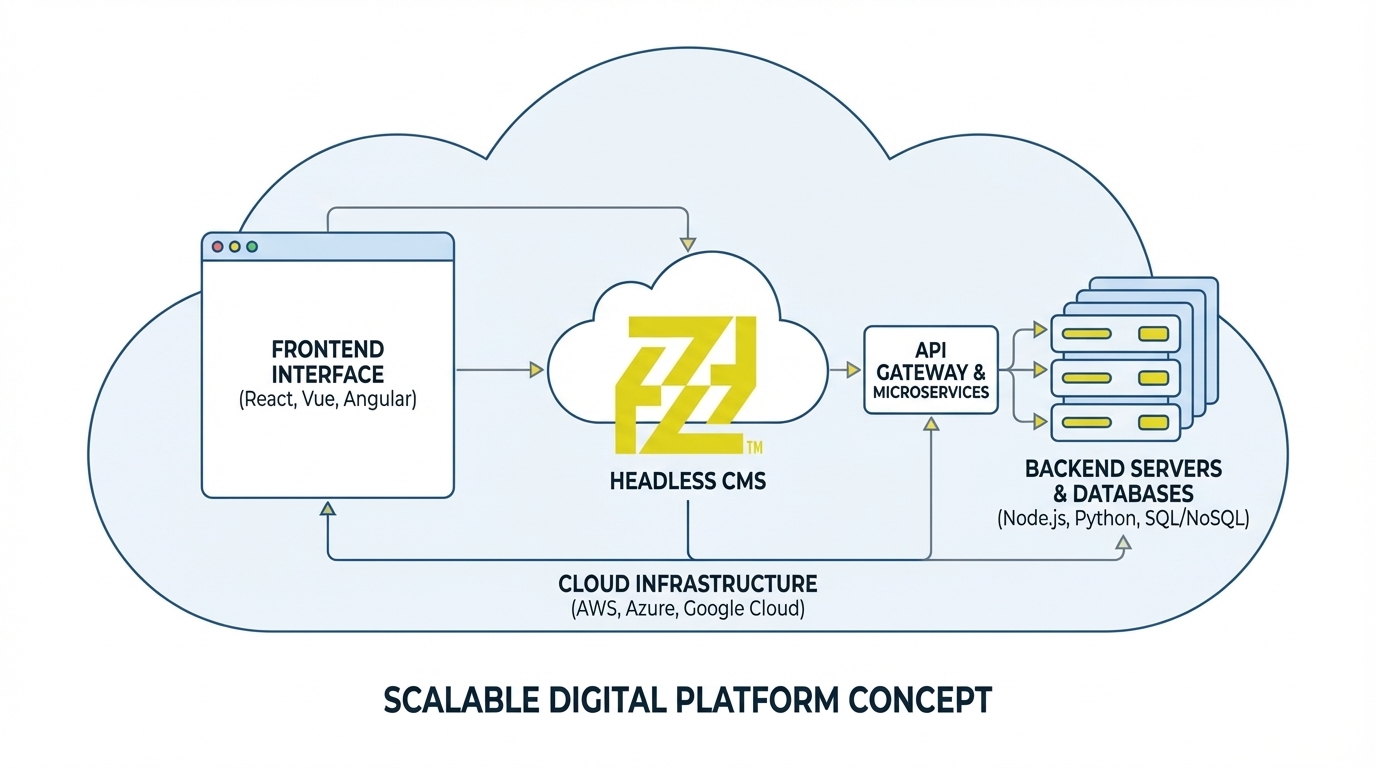
Core technologies often include:
- Headless CMS architecture
- Next.js or React front-end framework
- Content Delivery Networks (CDNs)
- Edge-optimized hosting infrastructure
- Automated performance monitoring systems
These technologies allow websites to deliver content faster, maintain stronger security, and scale efficiently as traffic grows.
Moving Beyond Monolithic Website Systems
Traditional content management systems such as WordPress or Drupal often rely on monolithic architecture, where the front-end interface and the back-end database are tightly integrated.
This structure creates bottlenecks and slows performance.
Modern development increasingly relies on headless or decoupled systems, where the presentation layer is separated from the data infrastructure.
This approach allows:
- faster page rendering
- improved security
- easier integration with mobile apps and APIs
- faster content updates
For businesses looking to scale across Canada, this architecture provides long-term flexibility.
Implementation Checklist: How to Improve Website Performance
Companies seeking to improve their website performance should consider the following steps:

- Conduct a full technical performance audit using tools such as Google PageSpeed Insights and Lighthouse.
- Compress images using modern formats like WebP or AVIF.
- Remove unnecessary third-party scripts and unused JavaScript libraries.
- Deploy a Content Delivery Network (CDN) with nodes in Western Canada.
- Optimize server infrastructure to reduce response time.
- Continuously monitor Core Web Vitals metrics.
Following these steps can significantly improve both user experience and search visibility.
Case Study: AJW Tech
Industry: Healthcare Compliance and MedTech Location: Calgary, Alberta Company Size: Mid-Market Enterprise
Challenge
AJW Tech faced severe operational inefficiencies caused by fragmented manual data processes. Their reporting workflow required hundreds of manual hours and created compliance risks.
Solution
Fantech Labs developed a custom administrative portal designed for rapid data processing and automated reporting.
Key system components included:
- optimized SQL database architecture
- lightweight React front-end
- automated compliance reporting tools
Results
Within the first quarter after implementation:
- manual reporting time decreased by 60%
- operational transparency improved significantly
- investor interest increased due to improved technology infrastructure
Web Development as Digital Equity
High-performance websites should be viewed as long-term business assets.
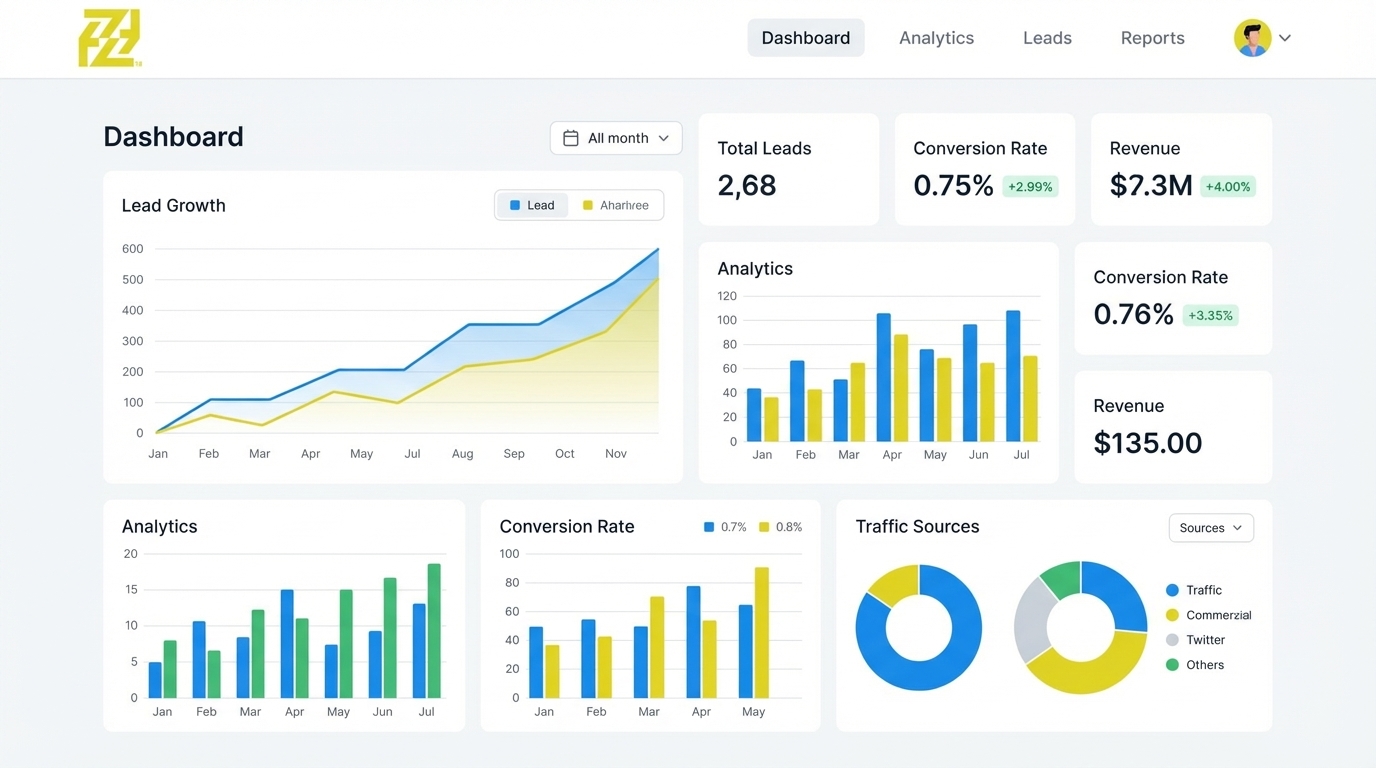
As companies add high-quality content to a technically optimized website, organic search visibility increases and brand authority strengthens.
Over time, this creates digital equity.
Paid advertising generates temporary traffic. Performance-optimized websites generate lasting authority.
Why Fantech Labs
Fantech Labs specializes in performance-driven web development for B2B companies across Calgary and Canada.
Instead of offering generic templates, the team focuses on building technical systems that solve real operational challenges.
Their development philosophy emphasizes:
- extreme website speed
- scalable architecture
- long-term digital growth
The result is a website that functions as a 24/7 digital salesperson.
FAQ
Q: What is a Hidden Gem website for development?
A: It is not a single URL. It is the High-Performance Architecture, such as Headless CMS or Jamstack, that most agencies ignore because it requires more technical expertise than a standard template.
Q: How long does a full technical rebuild take?
A: For a high-end B2B enterprise site, the process typically takes 8 to 12 weeks from initial discovery to a high-speed launch.
Q: Will speed really help my SEO in Canada?
A: Absolutely. Google has officially stated that Core Web Vitals are a ranking factor. A faster site is prioritized by the algorithm over a slower competitor.
Q: Is custom development more expensive than a template?
A: The upfront investment is higher, but the Long-Term ROI through lower maintenance, higher security, and significantly higher conversion rates makes it a far more profitable choice.
Q: How do we maintain this speed long-term?
A: Through regular Technical Audits, clean code practices, and a commitment to not adding Bloat in the form of unnecessary plugins or scripts.
Author
Faraz is a Senior SEO Content Strategist and IT Specialist at Fantech Labs. He helps Canadian B2B companies transform web development into a strategic growth engine through performance optimization and technical authority.