Let’s be honest for a second. Many startup founders and medical professionals believe a great idea paired with a slick slide deck is enough to land a government contract or Series A funding.
It isn’t.
Whether you are pitching to the Department of Defense (DoD), applying for an MTEC funding, or sitting down with a VC, the person across the table isn’t looking for "potential." They are looking for risk.
If your technology is just a wireframe, or if your data setup fails a basic HIPAA/PIPEDA audit, you are a liability. And big capital never flows to liabilities.
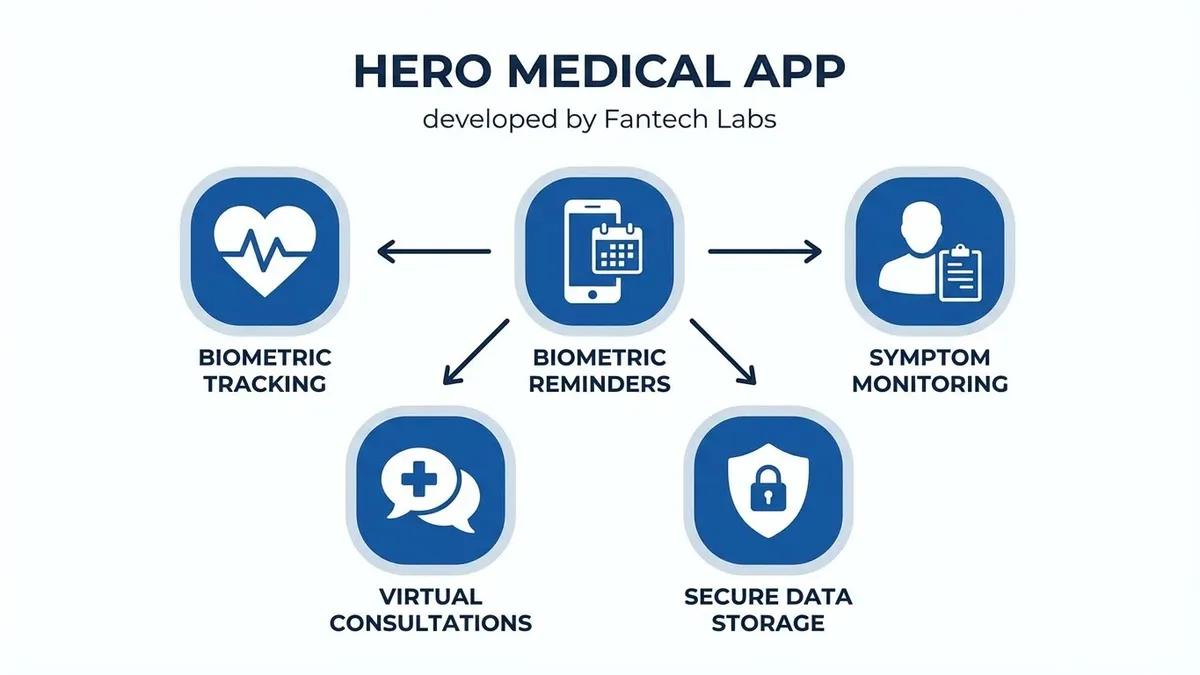
At Fantech Labs here in Calgary, we don’t just "build apps." We engineer technical assets that survive due diligence. Here is the real story of how we turned Hero Medical’s vision into a platform robust enough to win a $2.16M military contract.
The "Vaporware" Problem in MedTech
The medical software graveyard is full of startups that prioritized "looking good" over "working correctly."
When you are dealing with human health—specifically injury recovery and pain tracking—there is zero margin for error. If a food delivery app crashes, you get a refund. If a triage app crashes, people get hurt.
The Real Risks of cutting corners:
- Regulatory Nightmares: If you don't encrypt data properly, you aren't just sloppy; you're breaking federal law (HIPAA/PIPEDA).
- Bad Data: If your biometrics (heart rate, facial scans) are glitchy, doctors can't trust you. And if doctors don't trust you, you have no product.
- The "No" from Investors: Auditors look at your code quality. If it’s not built to scale, they pack up and leave.
👉 Is your current project actually audit-ready? If you aren't 100% sure your software passes medical compliance standards, don't wait for the rejection letter. Request a Confidential Compliance Check
Engineering the Solution: The HERO App Architecture
Hero Medical came to us with a massive challenge: they needed a platform to help patients recover from head injuries by tracking subtle physical changes.
This couldn't just be a glorified Fitbit. It had to ingest complex data (visuals + biometrics) in a way that was easy for a patient in pain to use, but rigorous enough for a clinician to trust.
Here is how we turned those requirements into actual business value:
1. Multi-Modal Biometric Integration
We didn't just build a form to type in numbers. We built a system that captures facial imagery and syncs heart rate data at the same time.
- The Tech: Native iOS and Android integration directly with the device’s sensors.
- The Business Value: This moves the product from "subjective guessing" to "objective clinical data." That data validity is exactly what investors pay for.
2. HIPAA-Grade Security Architecture
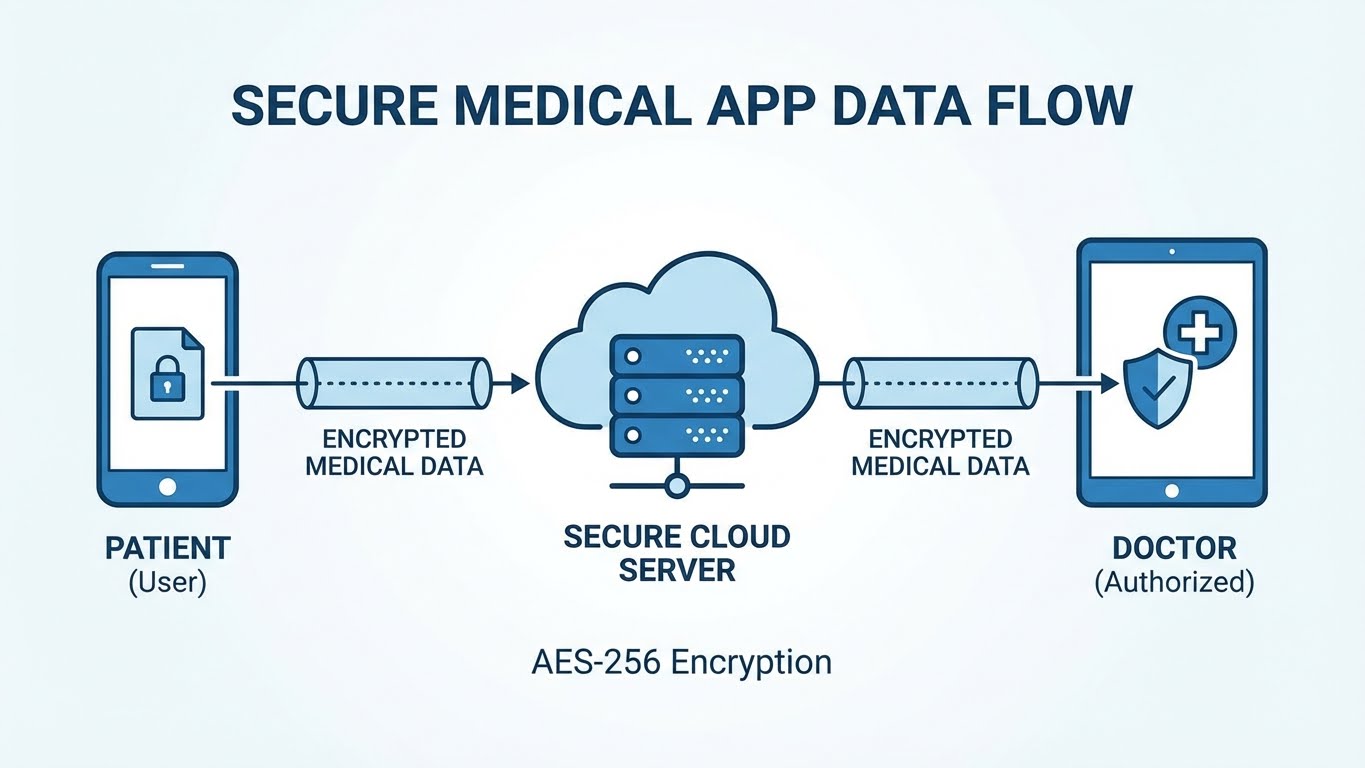
We locked it down. We used AES-256 encryption for every database entry and secure socket layers for when data moves.
- The Tech: End-to-end encryption and strict access controls (only the right people see the data).
- The Business Value: Risk Reduction. By guaranteeing patient privacy, we removed the single biggest objection hospitals and military clients have.
3. Cross-Platform Native Performance
We built native apps for iOS and Android. No shortcuts, no hybrid "wrappers."
- The Tech: Optimized code for the specific hardware (camera and heart rate sensors) on each phone.
- The Business Value: Reliability. In high-stress recovery moments, the app cannot lag. Native code keeps it stable and protects your brand’s reputation.
⚠️ Who This Is For
This level of engineering isn't for a hobby project. It is specifically for:
- Founders who are about to face the scrutiny of seed rounds or grant applications.
- Clinic Directors in Calgary or Canada who need their own proprietary monitoring tools.
- Innovators who know that "cheap code" is actually the most expensive thing you can buy.
Real-World Application: Hero Medical
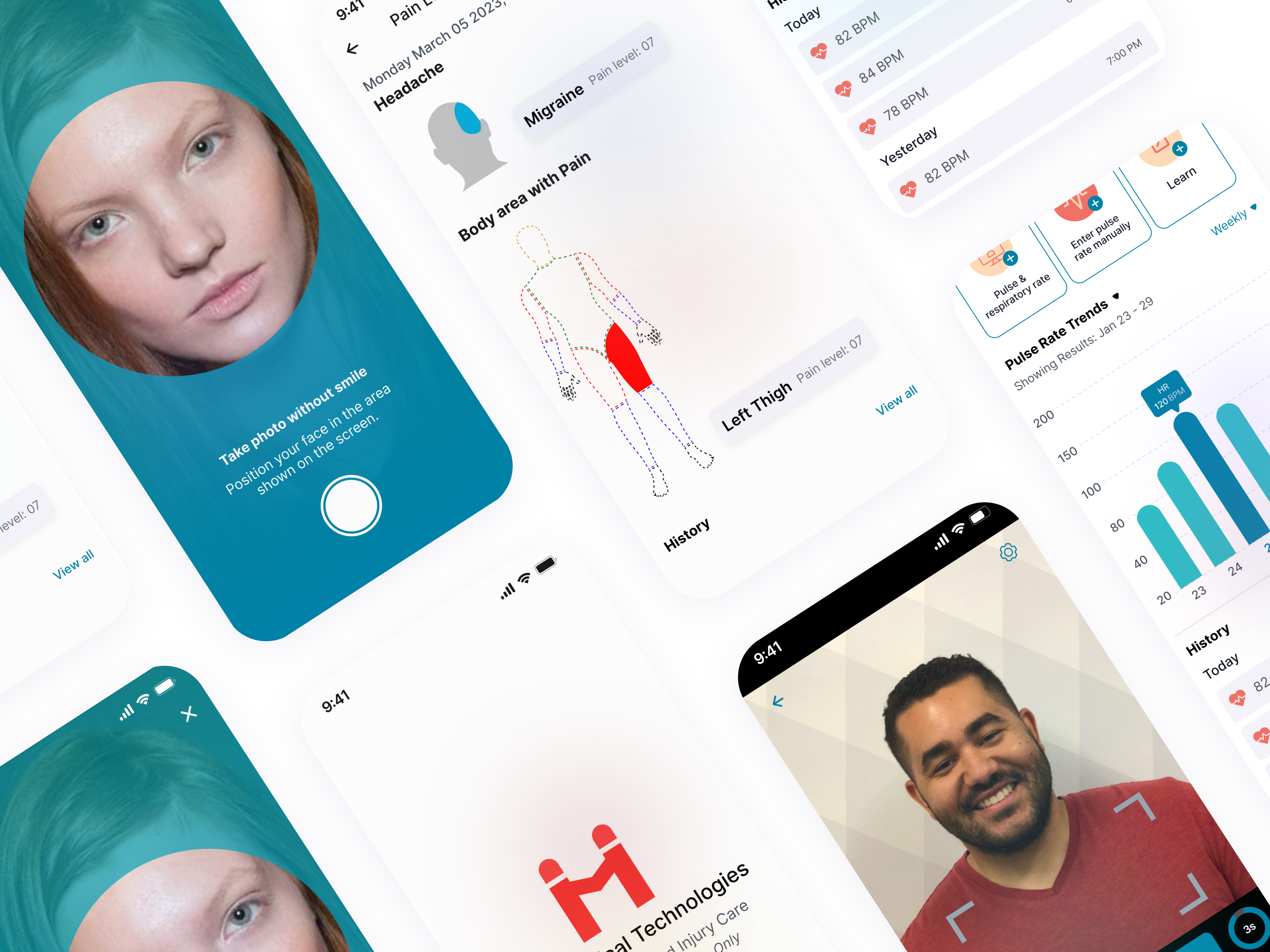
The Challenge: Hero Medical had to prove their concept—using AI and biometrics to track trauma recovery—wasn't just a theory. They needed a Minimum Viable Product (MVP) that didn't feel like an MVP. It had to be tough enough to be tested by the Department of Defense.
The Solution: Fantech Labs took the reins on full-stack development. We built the HERO App to:
- ✅ Log Facial Imagery: Catching the tiny physical changes a human eye might miss day-to-day.
- ✅ Track Vitals: Monitoring heart rate variability to spot pain and stress.
- ✅ Secure the Data: Making sure health info stayed private, viewable only by authorized pros.
The Strategic Outcome: Because the technology actually worked—and met every regulatory standard thrown at it—Hero Medical could validate their methodology. This technical readiness was a massive factor in them securing that $2.16M MTEC funding.
The software wasn't just a tool; it was the proof of concept that unlocked millions in funding.
Mid-Content Takeaway: Investors don't trust slide decks. They trust functioning code that solves hard problems.
👉 Thinking about scalability? Get a Free Architecture Review to see if your current tech stack can actually handle your growth goals. Get Your Free Architecture Review
Why "Off-the-Shelf" Fails in Healthcare
We see it all the time in Calgary. A business tries to build a medical platform using generic app builders or a cheap offshore team to save a few dollars.
This is a critical strategic error.
- Generic apps don't know the law: They rarely meet Canadian PIPEDA or US HIPAA standards out of the box.
- No Paper Trail: When the FDA or Health Canada asks for your software documentation, generic agencies look at you with blank stares.
- It Won't Scale: As soon as you hit 10,000 users, a poorly built database will crash. Game over.
Why Fantech Labs? (Your Local Strategic Partner)
We are right here in Calgary, Alberta. We know the local landscape, but we build for global standards.
When you work with Fantech Labs, you aren't just hiring "coders." You are hiring a partner who understands the collision of Technology, Business, and Regulation.
- We stick to High-Risk Industries: Healthcare, FinTech, and Government. We like the hard stuff.
- We focus on ROI: Every feature we build is designed to increase the asset value of your company.
- We speak "Investor": We build the documentation and technical roadmaps that due diligence teams demand.
Conclusion: Build Assets, Not Just Apps
Hero Medical didn't win $2.16M by luck. They won because they had a vision, and they partnered with an engineering team that could execute that vision without compromising on security or quality.
If you are building for the healthcare sector, you cannot afford to guess. You need a partner who has been there, done that, and won the contracts.
You have the vision. We have the engineering discipline to make it real.
👇 Ready to Validate Your Technical Strategy?
Stop guessing about compliance and scalability. Let’s sit down for a confidential discussion about your project roadmap.